


Smoke Signals: The Causes of Tailpipe Smoke

by Admin January 23, 2012

Tailpipe smoke is something you’re more likely notice coming from other drivers on the road. However, you should take the time to see what kind of emissions your car is putting out every now and then. Some of the smoke you see is normal or harmless. But, it is sometimes a signal that your car needs a serious repair. The following guide of “smoke types” can help you troubleshoot some potential issues with your vehicle.

Black Smoke: This can be either harmless or problematic, depending on a few other factors. In all cases though, black smoke is a dirty problem. If the smoke persists as you drive, chances are that your air filter is too dirty and needs to be changed. However, the smoke may also be caused by a clogged fuel injector, or other component. In any case, something about the engine or fuel injection system is too dirty and should be inspected by a mechanic.

That said, if the black smoke goes away after the engine has gotten warmed up, you probably have nothing to worry about. Engines do not work efficiently when they are cold, so they burn extra fuel when started to run smoothly. This can cause black smoke to come from the tailpipe, which will go away when the engine returns to burning normal amounts of fuel.

Gray Smoke: This is caused when your engine is burning oil, which will cause a number of performance issues over time. The causes from gray smoke can be numerous, but they all have one thing in common – oil is getting into the combustion chamber. You’ll want a mechanic to pinpoint and repair the problem.

Thick White Smoke: This is likely a sign of a serious problem. We hate to tell you this, but when you see thick white smoke, your engine is already damaged and you really shouldn’t be driving the vehicle. Thick white smoke occurs when the engine is burning coolant – which usually only happens when there is a serious problem. Take advantage of the free towing service offered by The Tire Choice and let us take a look. Although thick white smoke is dangerous, it should never be confused with its opposite counterpart…

Thin White Smoke: This is completely harmless and part of a normal functioning vehicle. You’ve probably only seen this come from your tail during the early morning. That’s because there has been a buildup of condensation in the exhaust system – the same reason why your windows are foggy. This will burn off quickly before your exhaust returns to normal and is nothing to worry about.

Common Car Noises Part 1

by Admin January 10, 2012

One of the many reasons our patrons bring their cars to The Tire Choice is because of a “funny noise.” Thumps, bangs, squeals – your vehicle has a language all its own that mechanics listen for to troubleshoot problems. In today’s post, we explore two common noises and the problems that cause them:

Engine Rattle - Also known as “knocking” or “pinging” can have a number of causes. The actual sound comes from the combustion chamber – which would mean that something is going wrong with the way the engine is combusting fuel. A typical cause of engine rattle comes from carbon buildup due to the age of the engine. You should also refer to your owner’s manual to see what octane level of gasoline you should be refueling with. If you refuel with the incorrect octane, it can cause engine rattle. In a worst case scenario, the engine rattle is being caused by overheating – which will need to be diagnosed and repaired to avoid engine damage.

Hissing - If you can hear hissing from under the hood, you’re probably dealing with a damaged or disconnected vacuum hose. When this hose malfunctions, you may notice that your vehicle has a rough idle and/or your check engine light comes on. If the hose become disconnected, you may be able to reattach it on your own. However, if the hose is cracked, cut, or damaged, it will need to be replaced entirely – something you should entrust to a mechanic.

Remember, if you want to vehicle to have a long life with lots of mileage, it’s important to pay attention and listen to the sounds your vehicle makes. Acting quickly can mean the difference between an inexpensive patch-up and a costly repair. If you hear your strange noises coming from your vehicle, bring to The Tire Choice for a check up. We perform most inspections for little or no charge. It can be a good investment to avoid expensive future repairs.

Causes of Crooked Steering

by Admin January 4, 2012

We’ve covered crooked or “drifting” steering in the past: if while driving your car you notice that it pulls to the left or right on its own, chances are you’re due for a wheel alignment.

However, there are other factors that cause subtle or dramatic changes in steering when seeking repairs. Some of these factors include:

Bad tires: There are a few tire related problems that can affect your steering. If one or more tires are underinflated on one side of the car, the car will pull in that direction when driving. That’s why it’s important to check your tire pressure. Tires with different sizes and even tread patterns can also affect your steering. When replacing your tires, make sure that the brands, models, and sizes match up among all your tires.

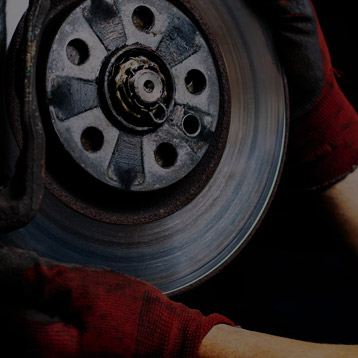
Brake issues: if your brake pads are touching the disc or do not disengage properly when you release the brake pedal, that will affect steering. By repairing the “sticky” or weak brake, the steering should improve.

Load distribution: If your vehicle is packed with cargo (or people) and the weight is not distributed evenly, your steering will favor the weighed-down end. To fix your steering, you can either redistribute the weight or have your wheels aligned with the load distribution accounted for. Of course, making this adjustment and then driving without the weight can affect steering – so think carefully before getting such an alignment.

The road itself: Nearly all roads in the US have “crowning,” which means that the center of the road is raised to create a slope to provide drainage. Unfortunately, not all roads have equal crowning and too much of it can cause your steering to drift. If you drive on these types of roads a lot, you can have your wheels aligned in a manner similar to the load distribution solution above.


© 2011 The Tire Choice. All Rights Reserved.

Optimized Website Design by MoreVisibility