

In some ways, your car is like a living thing. Just like how your car needs the right fluids, it also needs air to operate. Without the proper air intake, the engine cannot combust fuel. Just like starting a campfire, the combustion that happens in your engine requires fuel and oxygen to occur.
However, just like people, cars engines need clean air to function properly. If dirty or contaminated air reaches the combustion chamber, they can have an abrasive effect on the moving parts in the engine. It’s thanks to an air filter that your engines receives the right amount of clean air to keep humming along.
As you drive you car, the filter will gradually get loaded with more and more contaminates. If the filter gets too dirty, its performance lowers and the engine cannot suck in enough air to work properly. When this happens, it ruins the fuel/oxygen balance in the combustion chamber. Mechanics call this “running rich” because the engine is running with too much fuel and not enough air.
“Running rich” sounds like a good thing, but you won’t like the sounds your engine will be making. Without the right amount of oxygen in the combustion chamber, the engine will lose power and run roughly. It may also cause your “check engine” light to come on.
Fortunately, maintaining the air filter is very simple. When you bring your car to The Tire Choice for an oil change and 17-point inspection, we’ll check the filter and offer to change it out if necessary.
Air and Your Engine
December 27, 2011The Danger of an Exhaust Leak
December 20, 2011Not many motorists give a lot of credit to their exhaust systems. Your exhaust system is more than just a series of pipes hanging under your car. It performs important functions to keep your vehicle running efficiently. It also needs maintenance, just like the other systems in your car. If exhaust problems go neglected for too long, they can be more than damaging to your car – you can put your health in danger.
The main job of the exhaust system is to release the gaseous by-products of internal combustion. Normally, these emissions are very toxic – which is why modern cars have exhaust systems equipped with catalytic converters that convert the toxic exhaust into non-toxic water vapor and carbon dioxide (which unfortunately, is a green house gas and the reason why so many people point to automobiles as a factor in global warming).
There are a few things that can go wrong with an exhaust system. However, a common – and dangerous – problem is a leak. Exhaust leaks usually occur for two reasons:
• Being mounted on the underside of your car, the exhaust system is exposed to a lot of road conditions that can cause parts to break down over time. The normal wear and tear that an exhaust system is exposed to means that older cars are especially vulnerable to leaks and should be inspected.
• The water vapor produced by the catalytic convertor can also be problematic. When you only take your car for a short trip, the water vapor produced does not get expelled from the exhaust system. So, it condenses back into water, which can cause rust. Worse yet, sulfur is another by-product in engine emissions. If it mixes with water left in the exhaust system, it can form a corrosive acid that can eat away at the exhaust system.
Exhaust leaks can reduce fuel economy and create a lot of noise. They can also pose a danger to your health. If you have an exhaust leak, harmful fumes are potentially reaching the inside of your car (this is especially true with leaks near the exhaust manifold). It only takes a small amount of carbon monoxide (another by-product of emissions) to impair your driving and your health.
Stay safe. The next time you are changing your oil or inspecting your tires, take time to carefully inspect your exhaust system for leaks. Or bring your vehicle to The Tire Choice and we can diagnose and repair exhaust problems for you.
The Importance of Brake Pads
October 24, 2011The brake pad is one of the most important components in your braking system; it is the part directly responsible for stopping your car. However, brake pads are not built to last – that’s just the nature of their design. Therefore, it’s important to understand how brake pads work and when to replace them.
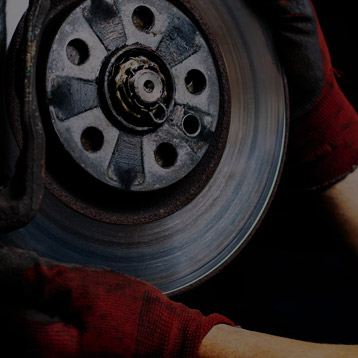
Brake pads are a part of the disc braking system, which is standard equipment for modern vehicles. In a disc braking system, a caliper is situated around the front wheels of your vehicle (most of a car’s stopping force comes from the front tires). The caliper is fitted with brake pads. When you press the brake pedal, the caliper squeezes the brake pads against the wheel and the resulting friction slows your vehicle to a stop.
Brake pads are soft (from an industrial standpoint), so that they don’t erode the wheel while they are in use. Instead, the friction wears away at the brake pad, which is an easily replaceable part. Over time, the brake pads erode away with use and must be periodically replaced. There are a number of variables that affect how often you need to replace your brake pads, but they basically boil down to the model of car you drive and how often/hard you apply your brakes. Generally, brake pads may need to be replaced every 20,000 to 60,000 miles.
There is however one sure-fire indicator that you need new brake pads: squealing. Brake pads actually have a sort of built-in alarm system to alert you when they need to be replaced. There is a little bit of metal that pokes out of the brake pad. When the pad is worn down enough, this metal comes into contact with your wheel every time the brakes are applied. This creates a squealing or screeching sound every time you apply the brakes. Take warning though: waiting until you can hear your brakes screeching to replace your brake pads is not the best idea. The bit of metal is not exposed to the wheel until there is very little brake pad left. Once you can hear screeching, it generally means that your brake pads have only three or four weeks left before they are completely worn away.
Without the brake pad, you’ll be stopping your car with metal-on-metal friction, which can warp your wheel, damage your brake system, and cause an expensive repair. If you hear squealing or notice reduced stopping power, visit our Brake Service Center right away.
- Next posts
- 1
- 2
- 3
- 4
- 5
- Previous posts