



Drum vs. Disc: What’s the Difference?

by Admin July 12, 2011

Depending on what type of car you drive, you may be stopping with drum brakes, disc brakes, or both.

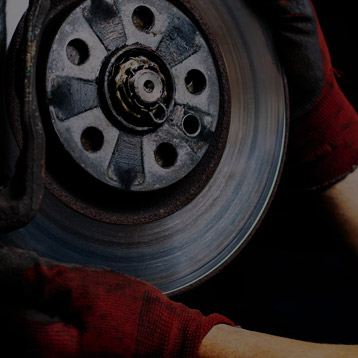
Drum brakes were invented before disc brakes and are common on older model cars. The stopping parts of a drum brake are housed in, you guessed it, a drum that rotates along with the wheel. When the vehicle needs to stop, parts called shoes press against the walls of the drum, creating enough friction to cause the vehicle to stop.

As brake technology advanced, the disc brake was created. Instead of housing components in a drum, a caliper lined with a brake pad on each side clamps down on the sides of a wheel to bring the vehicle to a stop.

Many modern cars are equipped with both drum and disc brakes. Each has its advantages and disadvantages. For example, brakes work by converting the kinetic energy from moving wheels into heat. This principle is what gives disc brakes a significant advantage over drum brakes. The drum housing will retain heat. Under extreme braking conditions, the heat builds up and causes to the drum brake to lose effectiveness. Disc brakes, however, are exposed to open air and cool much quicker – which means their performance almost never degrades as you slow down.

The majority of a car’s stopping force comes from the front tires. As such, front tires are equipped with the better performing disc brakes. Yet, drum brakes are still quite useful. The rear tires of a vehicle are rarely required to apply a lot of stopping force and do not generate much heat. Therefore, drum brakes operate just as well on a rear tire as a disc brake will, while being cheaper to install. This adds more stopping power and safety to cars with disc brakes on the front tires. Hybrid vehicles also enjoy an advantage from drum brakes in the form of regenerative braking – which converts the kinetic energy from the spinning wheel into electricity for the hybrid to use.

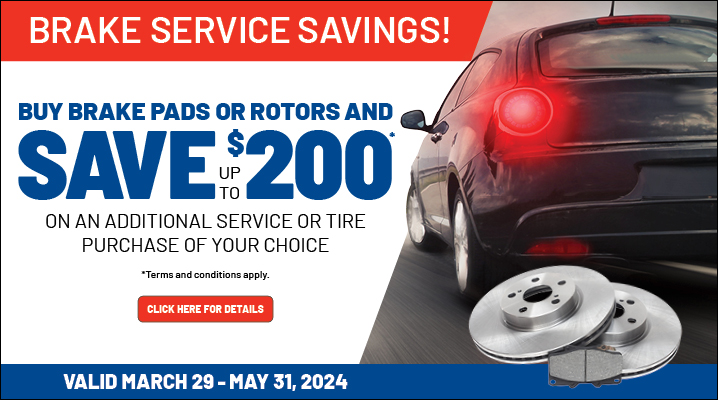
Whichever brakes your vehicle uses, The Tire Choice will be able to service and maintain them. Visit our Brake Service Center page to learn about the service packages we offer. 


© 2011 The Tire Choice. All Rights Reserved.

Optimized Website Design by MoreVisibility