

Vehicle Warning Lights

by Admin October 31, 2011

Your vehicle is an incredibly complex contraption that functions using a number of liquids, circuits, and moving parts. Pinpointing problems for auto repair can be difficult – even for a professional mechanic. Fortunately, your car is equipped to help find many problems that arise through its system of warning lights. Here are some of the lights most likely to come on and the types of problems they indicate:

•Check Engine Light: The Check Engine light is perhaps the most infamous warning light in your vehicle. For many drivers, it lights up all the time with no apparent problem. While it’s true the Check Engine light doesn’t indicate impending engine failure, it does detect many types of problems with your car’s system. Sometimes, it can be as simple as a loose gas cap. Other times, it could be a system leak that can critically damage the rest of your car. However, it can be too difficult for a non-mechanic to tell what’s really wrong, which is why you should take your vehicle for a professional diagnostic and engine service.

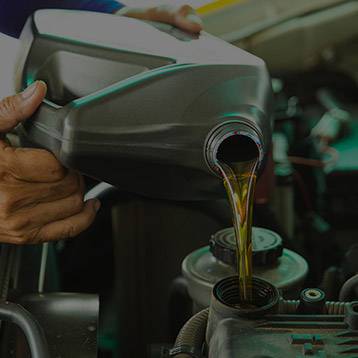
•Oil Pressure Light: Most people mistake this light as an oil change light – which is not quite the case. The oil pressure light comes on when there is not enough oil in the system. This has two main causes: either there is a leak in your oil pan, or too much oil has been burned away from standard use. If it’s the latter, you likely need an oil change. But if it’s the former, you need to have the leak repaired by a mechanic before your engine seizes up or otherwise damages itself from a lack of oil.

•Engine Temperature Gauge: While not a light, per se, it is another warning system in your vehicle – perhaps the most important one of all. Excess heat can cause drastic and permanent damage to the parts in your car. If this gauge exceeds the halfway mark, you should pull over immediately. Several things can cause your engine to overheat, such as a broken fan belt or a leak in the coolant system. A lack of coolant is usually the cause – but you shouldn’t add more coolant right away. Whatever coolant is left in the system is extremely hot and volatile. If you open the radiator before the engine has cooled, coolant may spew out and burn you. In addition, never try to cool your engine by dousing it with water. Such rapid cooling can warp parts of the engine and also create a dangerous amount of steam.

To get a full understanding of all your vehicle’s warning lights, you should consult your owner’s manual. And, if any of your lights do turn on, you can schedule an appointment with The Tire Choice for a quick repair.


© 2011 The Tire Choice. All Rights Reserved.

Optimized Website Design by MoreVisibility